Orthopedic Surgery
Specialty orthopedic surgery for pets with bone and joint conditions.
When an injury, joint condition, or orthopedic disorder affects your pet's mobility, specialty surgical care can provide an important treatment option. Small Animal Surgical Services offers a range of orthopedic procedures designed around the individual patient, their condition, and the surgical goals of their case.
Understanding CCL / ACL Disease
Helping pets move more comfortably and confidently.
Orthopedic surgery addresses conditions involving the bones, joints, and structures that support movement. These conditions can result from injury, developmental abnormalities, joint disease, or other orthopedic problems.
At Small Animal Surgical Services, surgical planning begins with understanding the individual patient and determining which treatment approach is appropriate for their condition.
- Orthopedic conditions can affect mobility, comfort, and quality of life.
- Different conditions require different surgical approaches.
- Stifle instability
- Diagnostic imaging
- Overall health
Common Procedures
A broad range of orthopedic surgical procedures.
Each procedure is presented as an image-ready card. Original SASS photography can replace the placeholders before launch.
TPLO / CCL Repair
Stifle / Knee
Tibial Plateau Leveling Osteotomy for cranial cruciate ligament disease and stifle stabilization.
ACL Tear / Lateral Fabellar Suture
Stifle / Knee
Surgical treatment for cranial cruciate ligament tears may include lateral fabellar suture techniques.
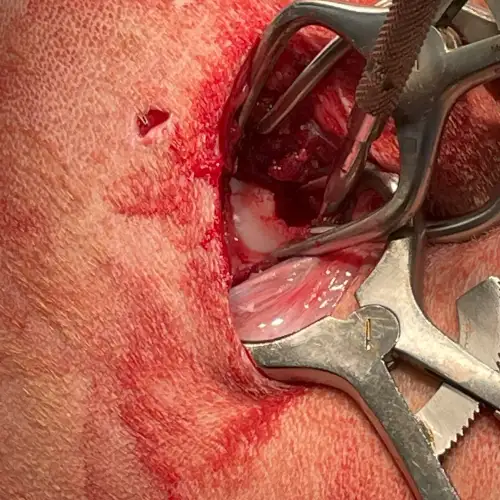
Patella Luxation
Stifle / Knee
Surgical treatment for patellar luxation.
ACL & Patella Luxation
Stifle / Knee
Surgical planning may address both conditions when they affect a patient.
Femoral Head Ostectomy
Hip
Removal of the femoral head for appropriate hip conditions.
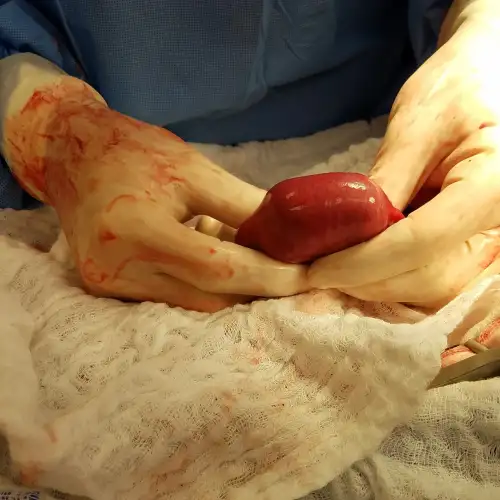
Fracture Repair
Fractures
Surgical treatment for appropriate bone fractures.
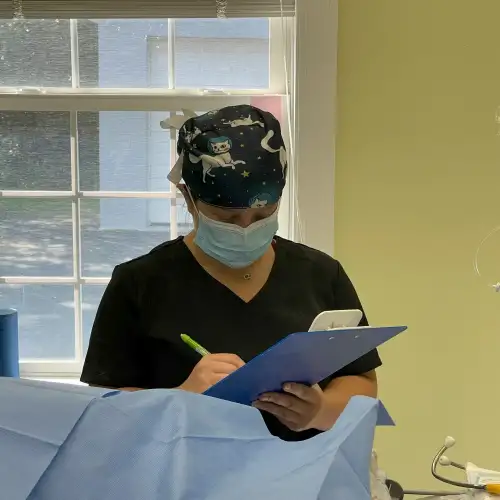
Limb Amputation
Limb
Surgical removal of a limb when indicated.
Digit Amputation
Limb
Surgical removal of a digit when medically indicated.
Tail Amputation
Tail
Surgical removal of part or all of the tail when indicated.
Mandibulectomy & Maxillectomy
Jaw
Removal of a portion of the mandible or maxilla when indicated.
Elbow Surgery
Elbow
Surgical treatment for appropriate orthopedic elbow conditions.
Angular Limb Deformity
Limb
Surgical treatment for selected angular limb deformities.
Featured Orthopedic Procedure
TPLO surgery is a major specialty focus.
Cranial cruciate ligament disease is one of the common orthopedic conditions requiring surgical treatment in dogs. TPLO changes the mechanics of the stifle to provide functional stability after cranial cruciate ligament rupture.
Dr. House has performed thousands of TPLO surgeries and completed the Slocum Enterprises TPLO training program before the program ended.
Thousands of TPLO surgeries
A dedicated TPLO page provides the deeper procedure, recovery, Nanoscope, PRP, and FAQ information.
Is TPLO Right for Your Pet?
Surgical candidacy is individual.
A TPLO recommendation should be based on the individual patient’s condition rather than a generic website checklist.
- Clinical history
- Physical examination
- Stifle instability
- Diagnostic imaging
- Overall health
- Patient size and activity level
- Individual surgical considerations
Patient Size
50 pounds and above
The original SASS material notes that TPLO is commonly performed in pets 50 pounds and above, while also explaining that it can be performed in animals under 50 pounds when appropriate and determined during surgical consultation.
When Surgery May Help
When should your pet be evaluated for orthopedic surgery?
Orthopedic surgery may be considered when a pet has a condition affecting the bones, joints, or structures responsible for normal movement and conservative management or other treatment options may not provide the desired outcome.
Joint Problems
Conditions affecting the normal function or stability of a joint.
Developmental Conditions
Orthopedic abnormalities that may benefit from surgical intervention.
Ligament Injuries
Injuries such as cranial cruciate ligament disease that can affect stifle stability.
Limb Problems
Conditions affecting the alignment, structure, or function of a limb.
Fractures
Bone injuries that may require surgical stabilization or repair.
Complex Orthopedic Cases
Cases requiring specialized surgical evaluation and planning.
Surgical Evaluation
Every orthopedic case starts with the individual patient.
There is no single surgical approach that is appropriate for every orthopedic condition. Evaluation helps the surgical team understand the patient’s condition and determine the appropriate next step.
01
Review
The patient’s history, clinical signs, and existing diagnostic information are reviewed.
02
Evaluation
The orthopedic condition and its effect on mobility are assessed.
03
Surgical Planning
When surgery is appropriate, the procedure and treatment approach are discussed.
04
Recovery Planning
Postoperative restrictions, follow-up, and recovery expectations are considered.
Recovery
The procedure is only one part of orthopedic care.
Recovery is an important part of orthopedic surgery. The appropriate postoperative plan depends on the procedure performed, the patient’s condition, and how healing progresses.
Controlled Activity
Activity may need to be restricted during healing.
Incision Monitoring
Owners may need to monitor the surgical site and follow incision-care instructions.
Follow-Up
Follow-up examinations and diagnostic imaging may be recommended when indicated.
Important: Procedure-specific postoperative instructions from the surgical team should take priority over general website information.
Recovery
The procedure is only one part of orthopedic care.
Recovery is an important part of orthopedic surgery. The appropriate postoperative plan depends on the procedure performed, the patient’s condition, and how healing progresses.
Discuss the Case
Contact SASS to discuss the patient's orthopedic condition and potential surgical needs.
Coordinate Care
Provide relevant clinical and diagnostic information for surgical evaluation.
Continue the Partnership
Keep the primary-care veterinary team connected throughout the patient's care.
Important: Procedure-specific postoperative instructions from the surgical team should take priority over general website information.
Procedures at a Glance
Orthopedic procedures offered by SASS.
| Category | Procedures |
|---|---|
| Stifle / Knee | TPLO, ACL tear / lateral fabellar suture, patella luxation, ACL & patella luxation |
| Hip | Femoral Head Ostectomy |
| Fractures | Fracture Repair |
| Carpus / Tarsus | Pancarpal / Pantarsal Arthrodesis |
| Pelvis | Triple Pelvic Osteotomy, Juvenile Pubic Symphysiodesis |
| Limb | Limb Amputation, Digit Amputation, Angular Limb Deformity |
| Tail | Tail Amputation |
| Jaw | Mandibulectomy & Maxillectomy |
| Elbow | Elbow Surgery |
FREQUENTLY ASKED QUESTIONS
Common questions about orthopedic surgery.
What is orthopedic surgery?
Orthopedic surgery addresses conditions involving the bones, joints, and structures that support movement.
Is TPLO the only orthopedic procedure SASS performs?
No. TPLO is one of the major orthopedic procedures offered by SASS, alongside a broad range of orthopedic procedures.
How do I know which orthopedic procedure my pet needs?
The appropriate procedure depends on the individual patient's condition. Veterinary evaluation and surgical consultation help determine the appropriate treatment approach.
How long does orthopedic surgery recovery take?
Recovery varies significantly depending on the procedure and individual patient. The surgical team will provide procedure-specific postoperative instructions.
Can my regular veterinarian refer my pet?
Yes. Veterinary professionals can contact SASS to discuss a surgical case and coordinate specialty care.
Where can I learn more about TPLO?
Visit the dedicated TPLO Surgery page for detailed information about CCL disease, TPLO, candidacy, recovery, Nanoscope, PRP, and FAQs.
When your pet needs advanced orthopedic care, start with a conversation.
Whether you're a pet owner looking for answers or a veterinarian considering a surgical referral, the SASS team can help determine the appropriate next step.
Proudly serving all of Maine
From Portland north to the Maine border, with particular focus on Mid-Coast and Southern Maine communities. Referring practices statewide are welcome.