

TPLO SURGERY
TPLO surgery for cranial cruciate ligament disease.
TPLO, or Tibial Plateau Leveling Osteotomy, is a surgical technique used to stabilize the stifle after a cranial cruciate ligament (CCL) rupture. Learn about CCL disease, TPLO, Nanoscope arthroscopy, PRP, recovery, and common questions.
Thousands
of TPLO surgeries performed by Dr. House
10–14 days
first postoperative milestone
12 weeks
major return-to-activity milestone when healing progresses as expected
Understanding CCL / ACL Disease
When a torn cranial cruciate ligament affects the knee.
The cranial cruciate ligament helps stabilize the stifle, or knee. A CCL tear can cause abnormal back-and-forth movement of the tibia, known as tibial thrust. This instability can be painful and can contribute to inflammation and progressive osteoarthritis.
The original SASS material explains that the CCL is analogous to the ACL in people. A CCL tear can also be associated with injury to the meniscus, particularly the medial meniscus.
Common effects
- Limping or lameness
- Reduced activity
- Pain and discomfort
- Stifle instability
- Abnormal movement of the tibia
- Risk of progressive joint changes
What Is TPLO?
Tibial Plateau Leveling Osteotomy.
TPLO is designed to eliminate the abnormal tibial thrust associated with a CCL tear and restore functional stability to the stifle.
Osteotomy
A curved bone cut is made in the tibia near the knee.
Rotation
The cut portion of the tibia is rotated to change the angle of the tibial plateau and alter the forces acting within the stifle.
Stabilization
A metal plate and screws are placed to hold the bone in its new position while the osteotomy heals.
Plate and screws support healing.
The source states that the plate and screws are generally left in place permanently and are usually only removed if a complication such as infection or an implant reaction develops.
Dr. House's TPLO Experience
Extensive experience with TPLO surgery.
TPLO is a major specialty focus for SASS. The original content states that Dr. House completed the TPLO training program through Slocum Enterprises, the organization associated with the original development and teaching of the procedure.
The website can highlight his experience with the procedure while connecting it with the broader practice biography.
Surgical experience
Thousands of TPLO surgeries performed.
Dr. House performs TPLO frequently as a major part of his specialty surgical practice.
Is TPLO Right for Your Pet?
Surgical candidacy is individual.
A TPLO recommendation should be based on the individual patient’s condition rather than a generic website checklist.
- Clinical history
- Physical examination
- Stifle instability
- Diagnostic imaging
- Overall health
- Patient size and activity level
- Individual surgical considerations
Patient Size
50 pounds and above
The original SASS material notes that TPLO is commonly performed in pets 50 pounds and above, while also explaining that it can be performed in animals under 50 pounds when appropriate and determined during surgical consultation.
The TPLO Surgical Journey
From evaluation through recovery.
01
Evaluation
Your pet’s condition, clinical history, examination findings, and diagnostic information are reviewed.
02
Surgical Planning
The veterinary team discusses whether TPLO is appropriate and what preparation and postoperative care will involve.
03
Surgery
Our wellness programs are thoughtfully designed to promote long-term health for pets through nutrition counseling, exercise plans, and regular health screenings.
04
Recovery
Protected healing, controlled activity, follow-up, and careful monitoring.
The bone and surrounding tissues require protected healing and a structured postoperative plan.
Meniscus & Nanoscope Stifle Arthroscopy
A minimally invasive option for joint assessment.
Dogs with CCL disease may also tear the meniscus inside the stifle. The original SASS content explains that the medial meniscus is commonly affected and that a damaged meniscus can cause pain and clicking or popping.
Traditionally, the joint is examined through a larger arthrotomy incision during TPLO surgery.
NANOSCOPE Strifle Arthroscopy
The original material states that Nanoscope allows the joint to be assessed through a very small opening and may allow the pet to walk more comfortably sooner after surgery.
Important consideration
If a torn meniscus needs to be removed
If a torn meniscus is identified and needs to be removed, the source states that the joint must be opened to remove the damaged meniscus.
The TPLO Surgical Journey
From evaluation through recovery.
Weeks 0–2
Strict restriction. Keep the pet restricted indoors when unsupervised. Bathroom trips should be short and on leash. Avoid running, jumping, furniture, playing with other pets, and stairs whenever possible. Use a confined area or kennel when unsupervised. Follow prescribed pain-medication and incision-care instructions and prevent licking with an E-collar or other approved protection.
10–14 days
First postoperative milestone. Recheck the incision and healing, remove staples when applicable, and assess progress. If healing is progressing normally, activity can begin to increase according to the postoperative plan.
Weeks 2–8
Controlled activity. After the two-week recheck and when the veterinarian is satisfied with recovery, the original protocol allows 5–10 minute walks, 2–3 times per day, while continuing to restrict unsupervised activity.
8 weeks
Bone-healing assessment. X-rays are used to assess bone healing, implant position, and changes at the surgical site. Limb use is also assessed. If recovery is progressing appropriately, leash-walk duration and frequency can gradually increase.
12 weeks
Major return-to-activity milestone. The source states that by approximately 12 weeks, the bone should be adequately healed for running and playing again when recovery has progressed as expected.
Recovery can vary between individual patients. The surgical team’s instructions should always take priority over a general website timeline.
PRP With TPLO
An additional therapy available during surgery.
How it works
Blood collection, Centrifugation, Concentrated PRP, Application
Ask the admitting staff if you would like your pet to receive PRP during surgery.
SASS offers Platelet-Rich Plasma (PRP) during TPLO surgery. The original content explains that PRP involves collecting the pet’s blood and centrifuging it to concentrate healing factors, which can then be used in joints and injured areas.
The source says PRP is offered to help with osteoarthritis and may assist with muscle and tendon healing.
TPLO IN ACTION
From evaluation through recovery.
See the TPLO process in action, from the surgical procedure through the recovery journey. Explore real images and videos showcasing the care, precision, and progress involved in helping pets return to comfortable, active lives.

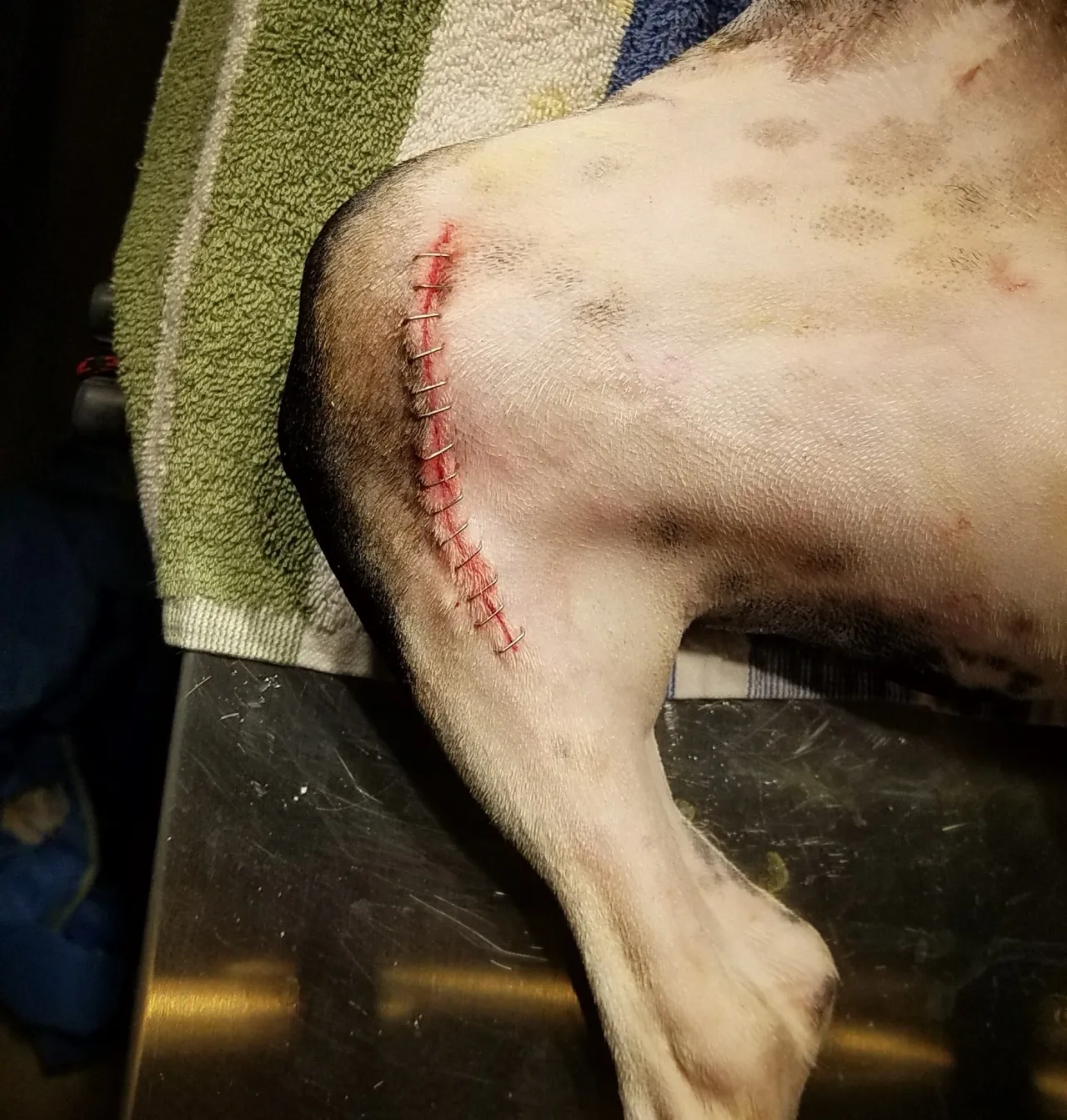
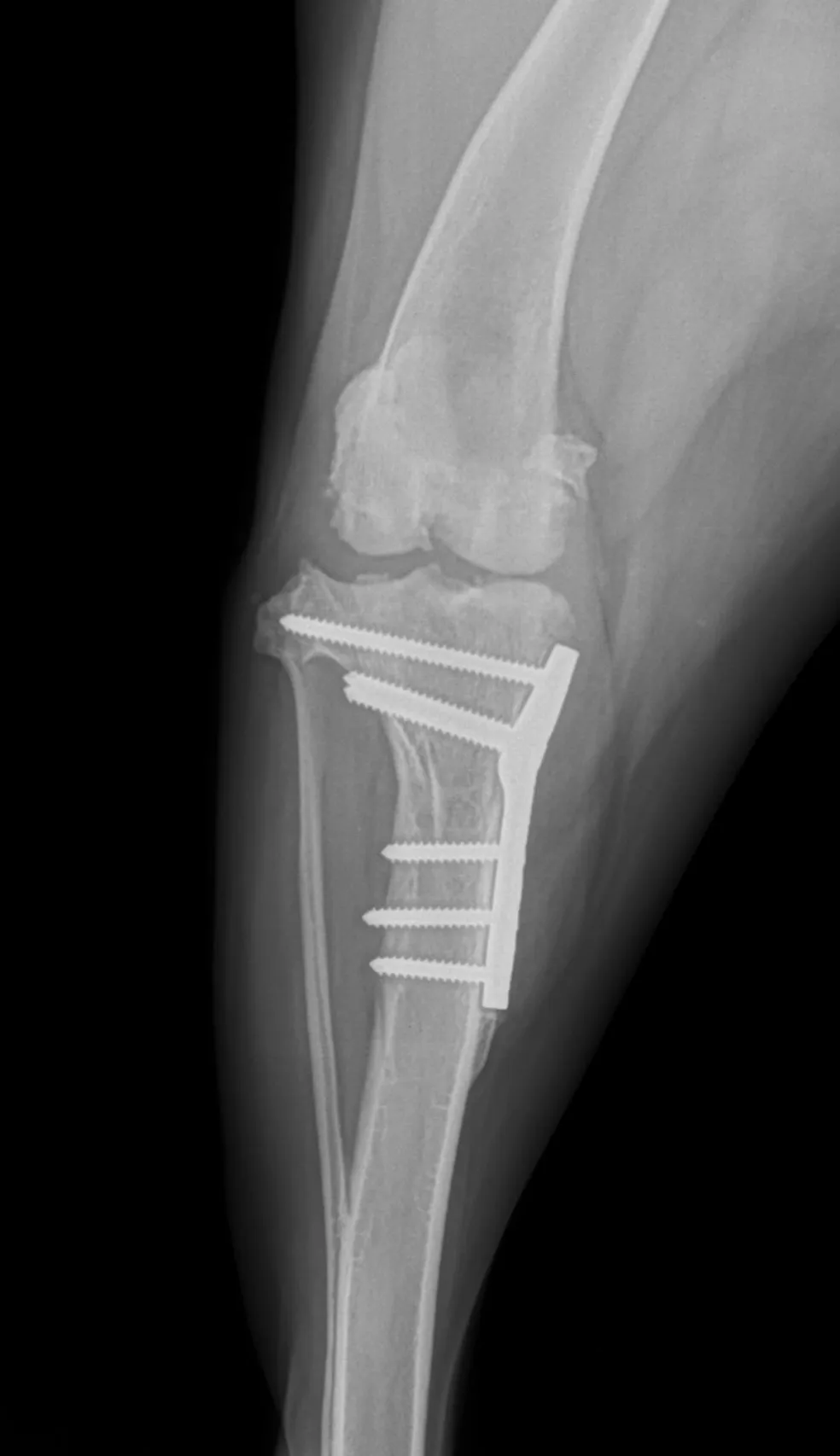


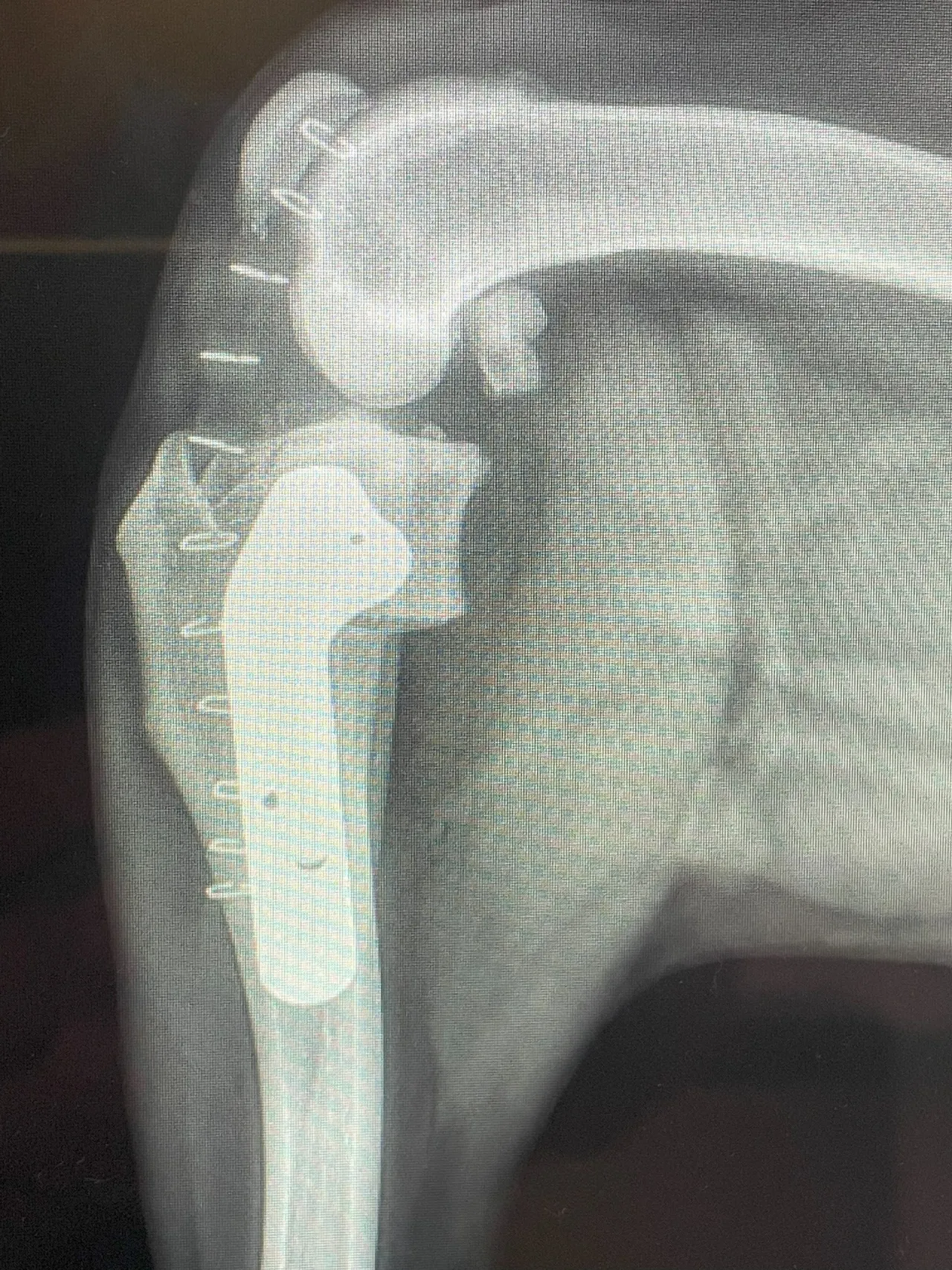
Recovery in Motion
Watch real recovery journeys and see how patients progress following TPLO surgery.
A patient walking 2 weeks after TPLO surgery.
A patient walking 5 weeks after TPLO surgery.
A patient walking 8 weeks after TPLO surgery.
This video shows a patient who has had a double (bilateral) TPLO procedure and received the Nocita local pain injection in both stifles (knees). The surgery ended 2 hours prior. Without it they are not as comfortable and ambulatory so soon.
FREQUENTLY ASKED QUESTIONS
Common questions, answered simply.
What is TPLO surgery?
TPLO stands for Tibial Plateau Leveling Osteotomy. It is a surgical technique used to stabilize the stifle after a cranial cruciate ligament rupture.
Why does a CCL tear cause instability?
The CCL helps stabilize the stifle. When it is ruptured, abnormal tibial movement can occur during weight bearing.
What happens during TPLO?
A curved cut is made in the tibia, the bone segment is rotated to change the tibial angle, and a plate and screws hold the bone in its new position while it heals.
Is TPLO only for large dogs?
The original SASS material states that the procedure is generally performed in pets weighing 50 pounds or more but can also be performed in smaller animals when determined appropriate during consultation.
How long does recovery take?
The original recovery protocol uses major milestones at approximately 10–14 days, 8 weeks, and 12 weeks. The exact recovery plan should follow the surgical team's instructions.
Can Nanoscope be used during TPLO?
Yes. SASS offers Nanoscope arthroscopy as an option for joint assessment.
Can PRP be performed with TPLO?
Yes. SASS offers PRP during surgery as an additional option.
What does TPLO cost?
Price range: Pending client approval. The final page should not invent a TPLO price until SASS provides the approved range.
Ready to refer a patient, or have questions?
Mon–Thu 7:30am–5pm · Fri 8am–12pm · appointments required
Proudly serving all of Maine
From Portland north to the Maine border, with particular focus on Mid-Coast and Southern Maine communities. Referring practices statewide are welcome.