

Platelet-Rich Plasma Therapy
Supporting healing with your pet's own platelets and growth factors.
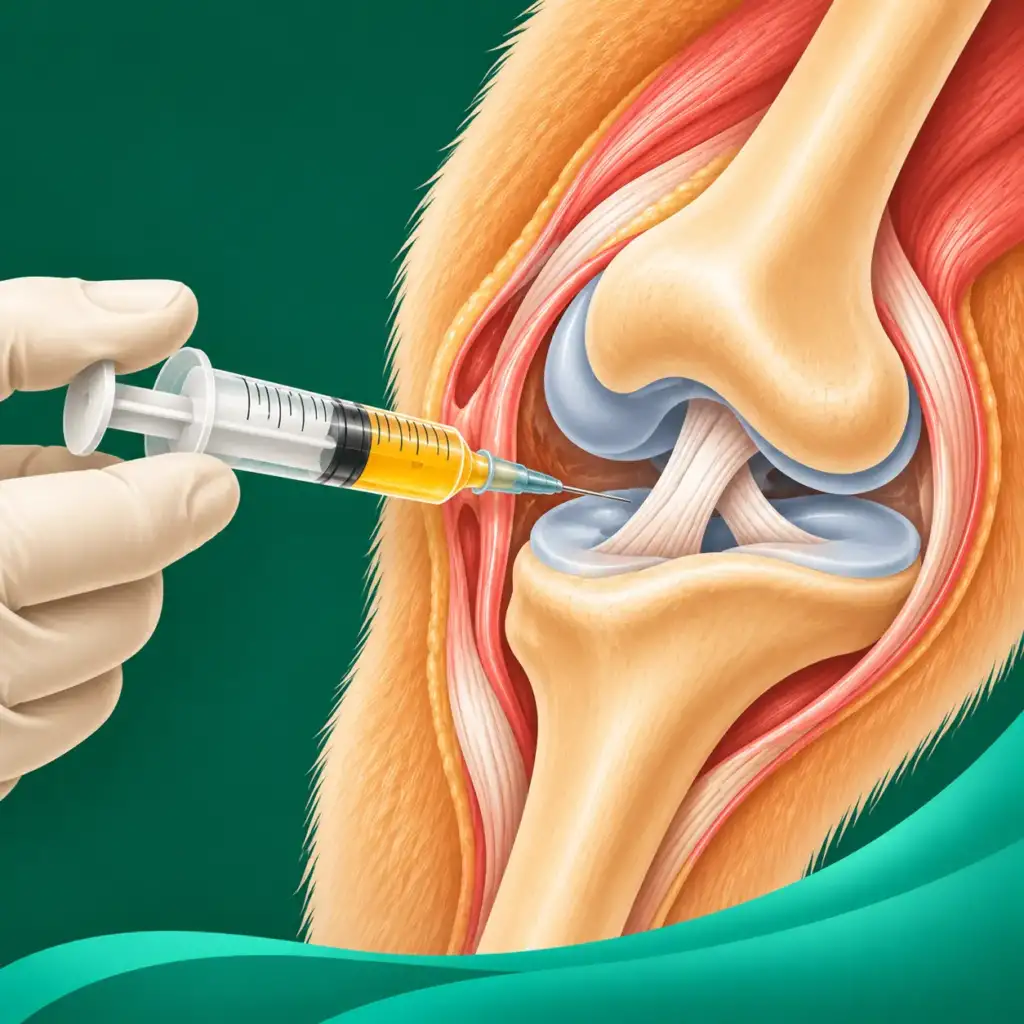
PRP therapy uses a concentrated solution made from your pet's own blood. Platelets and growth factors may support tissue repair and help reduce inflammation.
PRP Care
A minimally invasive approach to supporting tissue healing.
PRP uses your pet’s own blood to create a platelet-rich solution for selected conditions.
- Uses your pet's own blood
- Minimally invasive
- Performed in clinic
- May help reduce inflammation
- Can support joints, tendons, ligaments, and muscles
Common PRP Uses
A broad range of conditions may benefit from supportive PRP therapy.
PRP may be considered for selected orthopedic and soft tissue conditions based on your pet’s individual needs.
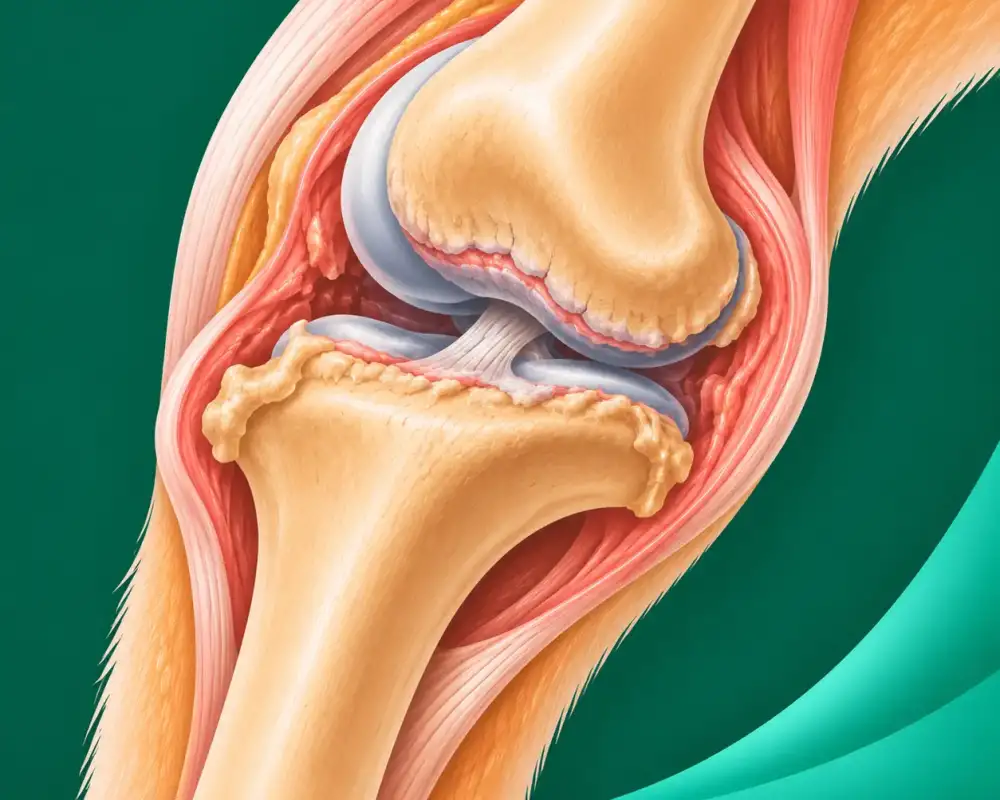
Osteoarthritis
Hip, elbow, knee, and shoulder conditions.
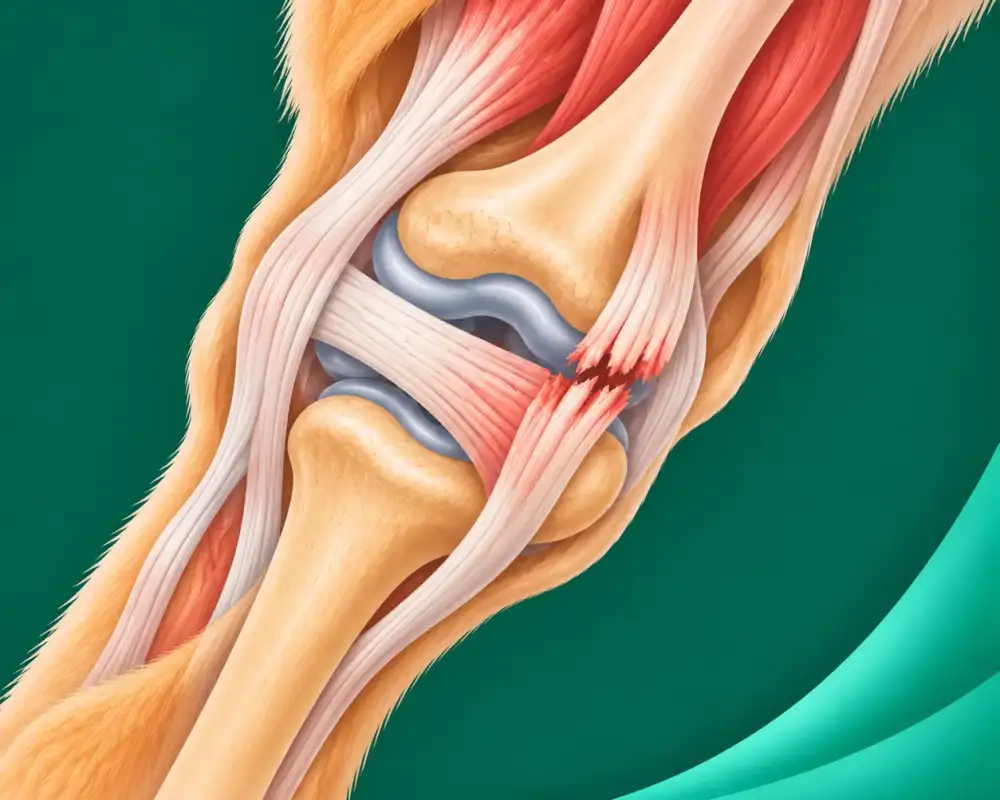
Tendon & Ligament Injuries
Supportive care for selected tendon and ligament injuries.
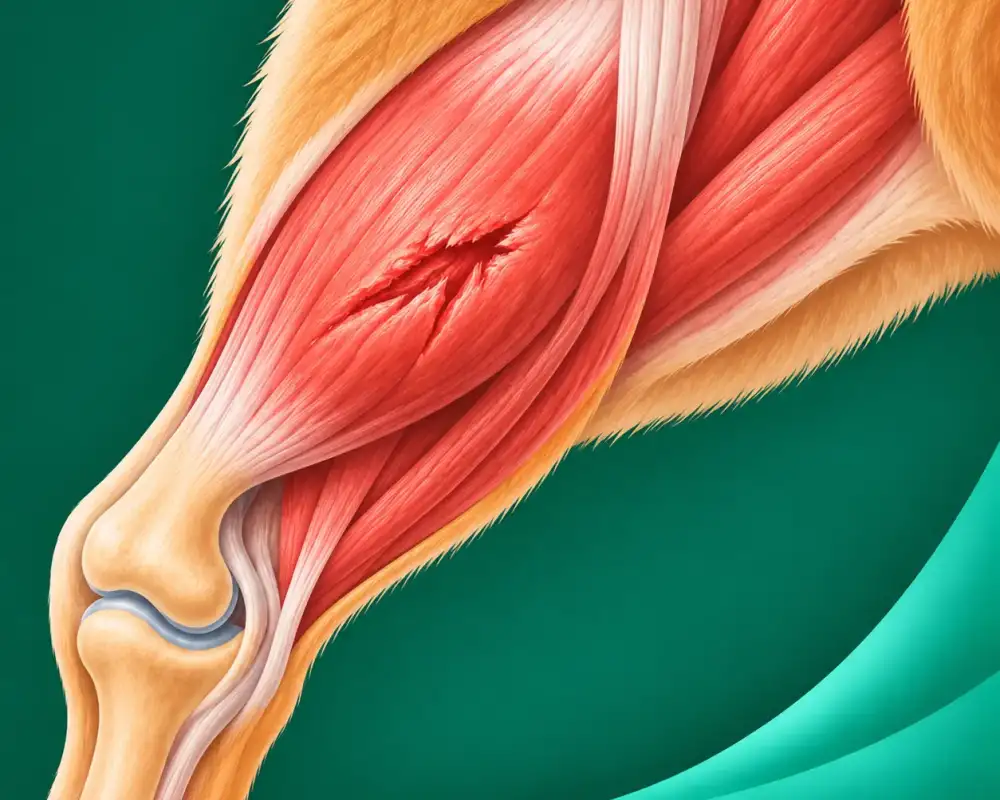
Muscle Strains
May support healing in selected muscle injuries.
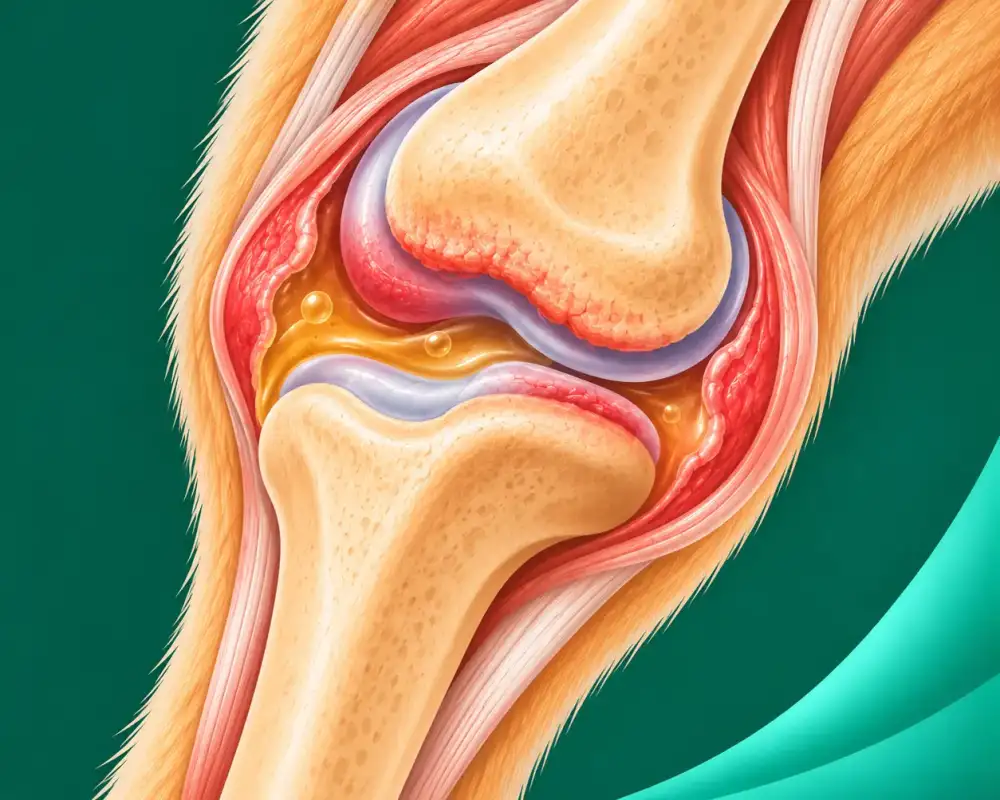
Joint Inflammation
May help support joints affected by inflammation.
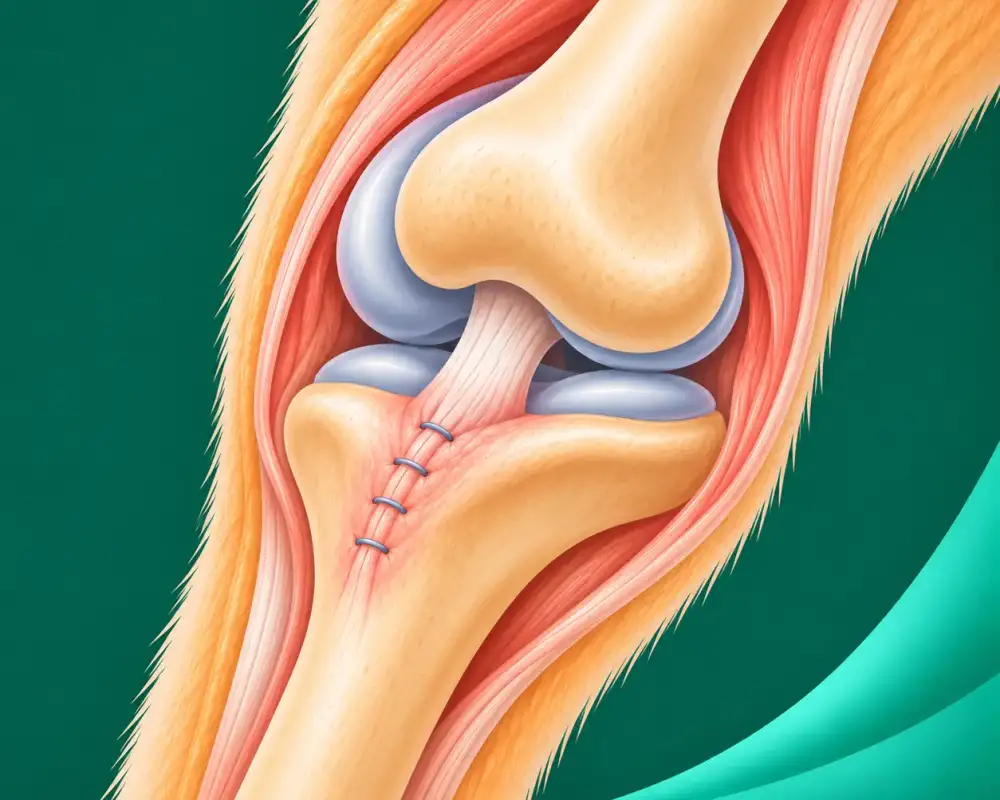
Post-Surgical Healing
May be considered alongside selected surgical procedures.
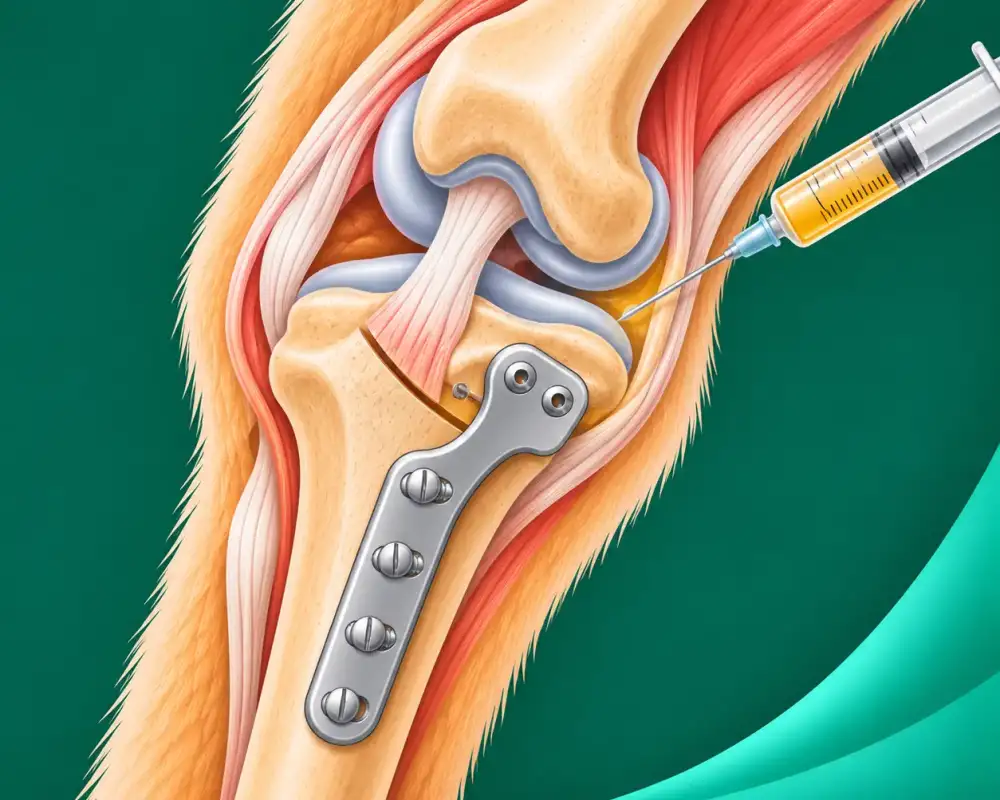
TPLO + PRP
An additional treatment option that may support recovery alongside TPLO.
When PRP May Help
Supporting different areas of tissue healing.
Joint Health
May support selected joint conditions.
Tendon & Ligament Injuries
May support healing in selected injuries.
Muscle Injuries
May be considered for selected strains.
Inflammation
May help reduce inflammation.
Surgical Recovery
May be used alongside selected procedures.
How PRP Works
From blood collection to treatment.
01
Blood Draw
A small amount of blood is collected from your pet.
02
Centrifugation
An in-house centrifuge concentrates platelets and growth factors.
03
PRP Preparation
The platelet-rich solution is prepared for treatment.
04
Treatment
PRP is applied or injected into the affected area as appropriate.
05
Recovery
PRP is minimally invasive, and many pets return home the same day.
PRP Recovery & Follow-Up
Supporting your pet throughout the healing process.
Follow Activity Recommendations
Follow the activity plan provided for your pet.
Monitor the Treated Area
Watch the treatment area and contact the team with concerns.
Concurrent Surgery
If PRP is used with surgery, follow the surgical recovery instructions.
Give Medications as Directed
Follow all medication instructions from the veterinary team.
Attend Follow-Up Appointments
Keep recommended recheck appointments.
Patient-Specific Instructions
Your pet's individual instructions always take priority.
Important: Patient-specific postoperative instructions take priority over general information provided on this website.
For Veterinary Professionals
Coordinate specialty PRP care.
Explore PRP as part of specialty surgical care. Discuss whether PRP is appropriate for your patient. It may be considered alongside selected orthopedic procedures, including TPLO.
PRP Therapy at a Glance
PRP therapy offered by SASS.
| Category | Procedures |
|---|---|
| Source | Uses Pet's Own Blood |
| Processing | In-House Processing |
| Approach | Minimally Invasive |
| Recovery | Same-Day Recovery |
| Potential Applications | Joints · Tendons · Ligaments · Muscles · Selected post-surgical healing |
FREQUENTLY ASKED QUESTIONS
Common questions about minimally invasive surgery.
What is PRP?
Platelet-rich plasma is a concentrated solution made from your pet's own blood that contains platelets and growth factors.
Is PRP made from my pet's own blood?
Yes. PRP is prepared from your pet's own blood.
What conditions can PRP be used for?
Potential applications include osteoarthritis, selected tendon and ligament injuries, muscle strains, joint inflammation, and selected post-surgical healing.
Can PRP be used with TPLO surgery?
Yes. PRP may be considered as an additional treatment option during TPLO surgery.
How long does it take to see results?
Existing SASS material indicates approximately 1–2 weeks, with potential benefits lasting several months.
Is PRP safe?
Existing SASS material describes a very low risk of allergic reaction or rejection because PRP is made from the pet's own blood.
Does my pet need more than one treatment?
Some conditions may involve a single injection, while others may require a series depending on the condition.
Platelet-Rich Plasma Therapy
Support your pet's healing with a treatment made from their own blood.
Proudly serving all of Maine
From Portland north to the Maine border, with particular focus on Mid-Coast and Southern Maine communities. Referring practices statewide are welcome.